
Essential Tire Maintenance Tips for Florida's Unique Climate
- South Florida Tires

- May 16
- 4 min read
Maintaining your vehicle's tires is critical for safety, fuel efficiency, and performance, especially in Florida. The diverse climate, featuring scorching sun, high humidity, and sudden rainstorms, can significantly affect your tires. Regular maintenance is not just advisable; it's a necessity. This guide offers practical tire maintenance tips to help Floridians keep their tires in top condition.
Understanding Florida's Climate Impact on Tires
Florida's tropical climate poses unique challenges for your vehicle's tires. With temperatures often soaring above 90°F during summer, the rubber compounds in tires can wear out more quickly than in cooler, drier climates. Research shows that tire lifespan can reduce by about 15% in extreme temperatures. Florida's frequent heavy rain increases the risk of hydroplaning, making tire condition even more vital for safety.
Monitoring your tires can extend their life and provide assurance while driving in Florida.
Regularly Check Tire Pressure
Keeping proper tire pressure is crucial, especially in Florida's heat. Tire pressure can rise significantly with temperature, leading to over-inflation. This condition can cause uneven wear and increase the risk of blowouts, which account for about 30% of tire-related accidents.
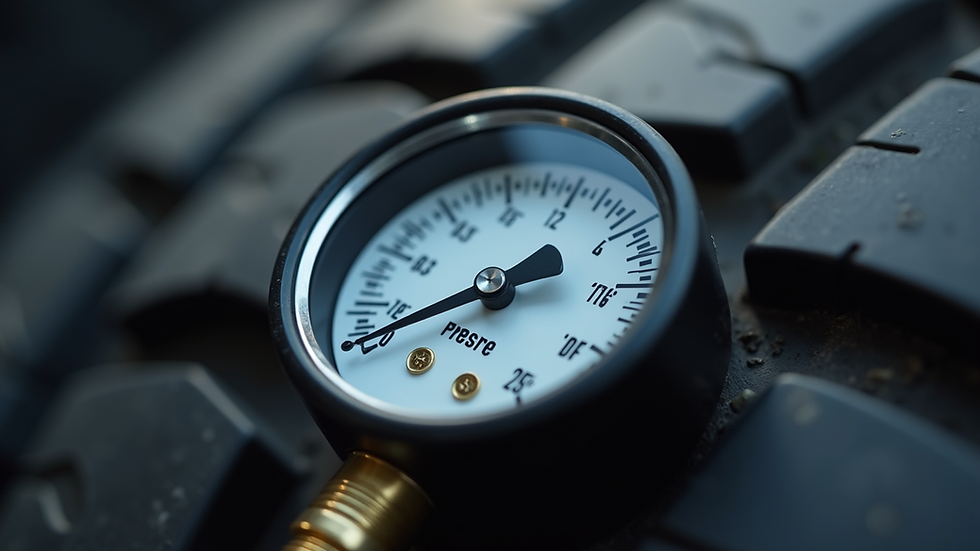
Tip: Check your tire pressure at least once a month and before any long trips. Use a reliable pressure gauge to ensure that your tires are inflated to the manufacturer's recommended PSI (pounds per square inch), typically between 30-35 PSI for most vehicles.
Inspect Tread Depth
Tire tread plays a vital role in traction and safety, especially when driving in the rain. In Florida, sudden rainstorms can create slippery road conditions. For enhanced safety, it's critical to maintain adequate tread depth.
Tip: Use the penny test to check tread depth. Insert a penny into the tread groove with Lincoln's head facing down. If you can see the top of his head, it's a clear sign that it's time to replace your tires. Tires with less than 2/32 inch of tread are considered unsafe for wet conditions.
Rotate Your Tires Regularly
Regular tire rotations help promote even wear. Uneven wear can shorten the life of your tires and affect your vehicle's performance.
Tip: Aim to rotate your tires every 5,000 to 7,500 miles or whenever you have your oil changed. This practice can lead to improved tire life by up to 20%.
Align Your Wheels
Misalignment can lead to uneven tire wear and negatively impact your vehicle's handling. Florida's bumpy roads and potholes can easily cause misalignment, so it's wise to have an alignment check done if you notice steering issues.
Tip: Have your wheel alignment checked every 6,000 miles or if your vehicle pulls to one side. Proper alignment can improve tire lifespan by up to 10%.
Balance Your Tires
Balancing your tires is essential for a smooth ride. Unbalanced tires can cause vibrations that not only make driving uncomfortable but also lead to premature tire wear.
Tip: Get your tires balanced whenever you install new tires and during every rotation. Properly balanced tires can last longer, offering about 5% more tread life than unbalanced ones.
Monitor the Age of Your Tires
Even with good tread, tires can degrade over time due to factors like sunlight and ozone exposure common in Florida.
Tip: Tire manufacturers recommend replacing tires every six years, regardless of tread wear. Check the DOT number on the tire sidewall to find its manufacture date. Tires more than ten years old should be replaced, even if they look fine.
Clean Your Tires
Cleaning your tires is not just about appearance; it can also prolong their lifespan. Dirt, salt, and chemicals can deteriorate the rubber and affect performance.
Tip: Regularly wash your tires with soap and water to remove debris. Additionally, apply a tire protectant designed to shield them from harmful UV rays.
Be Prepared for Weather Changes
In Florida, weather can shift dramatically. Being caught in a sudden downpour can be hazardous without properly maintained tires.
Tip: Consider investing in all-season tires or those specifically designed for wet conditions. Maintaining sufficient tread depth can enhance grip during rain, reducing stopping distances by up to 20%.
Keep a Tire Emergency Kit
Preparation is key in Florida. Having a tire emergency kit can save valuable time and frustration in case of unexpected situations, like a flat tire.
Tip: Include a tire pressure gauge, a portable air compressor, a tire repair kit, and a jack in your emergency kit. This preparedness can help resolve issues quickly and get you back on the road safely.
Schedule Regular Tire Inspections
Regular checks by a professional can identify potential problems before they escalate. Technicians can examine your tires for damage, proper inflation, and alignment.
Tip: Have your tires inspected annually or more frequently if you often drive on rough terrain. Early detection can prevent costly repairs and enhance safety on the road.
Final Thoughts
Proper tire maintenance is vital, particularly in Florida's diverse climate. Regular checks not only prolong the life of your tires but also ensure your safety while driving. From monitoring tire pressure to keeping an eye on tread depth and scheduling inspections, these tips will equip you to navigate Florida's roads confidently.
With a bit of effort and awareness, you can enhance the performance of your tires and avoid unexpected expenses down the road. Stay safe, and happy driving!


Comments